When most people think about keeping their brains healthy and active as they age, they think of exercising regularly, eating a balanced diet, staying socially connected, and engaging in activities such as crossword puzzles or word games, but recent neuroscience research suggests another activity may deserve a spot on that list: birdwatching. This is an exciting discovery for us at Cedars of Edina, where our 23-acre property is recognized as a Certified Wildlife Habitat!

A recent study published in the Journal of Neuroscience found that experienced birdwatchers showed patterns of brain activity and structural complexity associated with healthier brain aging. Researchers believe that the process of identifying birds by carefully observing their colors, shapes, songs, and behaviors engages parts of the brain responsible for memory, attention, visual processing, and problem-solving.
While you don't need to become an expert birder overnight, the findings highlight something we've long appreciated at Cedars: spending time outdoors and paying attention to the natural world can be incredibly rewarding.

Why Birdwatching Challenges Your Brain
Birdwatching is much more than simply spotting birds flying overhead. It encourages you to slow down, observe closely, and notice details that might otherwise go unseen. Is that bright yellow bird an American Goldfinch? Did you hear the call of a chickadee before you spotted one? Is that a hawk or an eagle soaring overhead?
Each observation asks your brain to compare what you're seeing and hearing with what you've learned before. Over time, these repeated mental exercises strengthen what researchers call cognitive reserve, which is the brain's ability to adapt, form new connections, and remain resilient as we age. Scientists believe building this cognitive reserve may help support memory, attention, and overall brain health later in life.

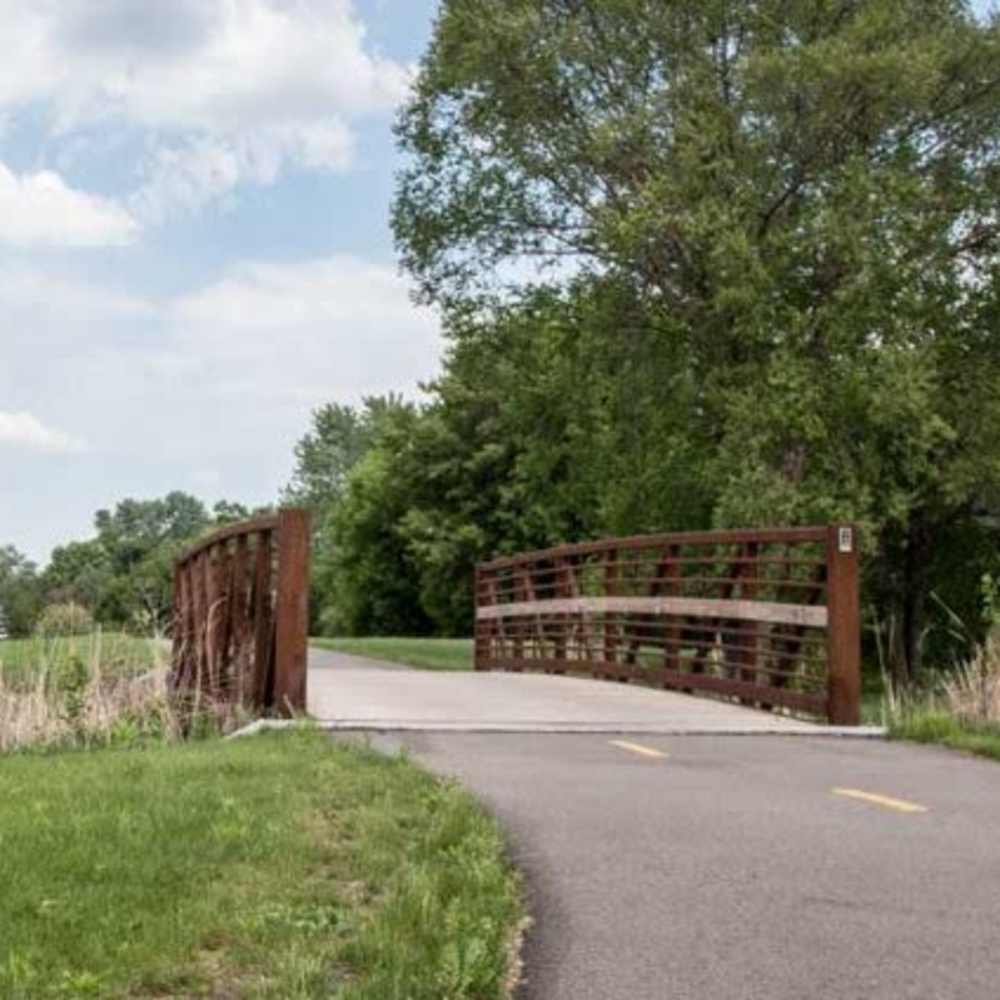
Birdwatching also offers something many hobbies don't: it naturally gets you outside. A leisurely walk among mature trees and peaceful green spaces provides opportunities to enjoy fresh air, gentle physical activity, and moments of quiet reflection. Even spending a short amount of time in nature has been associated with reduced stress and improved mood, and at Cedars, residents don't have to travel far to enjoy these benefits! Our grounds were thoughtfully designed to celebrate the beauty of nature, with winding walking paths, mature landscaping, ponds, and diverse plant life that attract a variety of birds and other wildlife throughout the seasons. Every stroll offers the possibility of discovering something new!

One of the best things about birdwatching is how easy it is to begin. You don't need expensive binoculars or years of experience. Simply taking a walk, looking up into the trees, and listening for birdsong is a wonderful place to start. If you'd like to learn more, free apps like Merlin Bird ID from the Cornell Lab of Ornithology can help identify birds by their appearance or even by their songs, making it fun for birdwatchers of all ages. Before long, you may find yourself recognizing familiar visitors and looking forward to seeing what each season brings.
Whether you're hoping to stay mentally active, spend more time outdoors, or simply enjoy a peaceful morning walk, birdwatching offers an enjoyable way to engage both your body and your mind. At Cedars of Edina, we're fortunate that opportunities for these everyday discoveries are part of daily life. From colorful songbirds in the spring to migrating visitors throughout the year, our grounds provide a beautiful setting to both reconnect with nature and give your brain a healthy workout. So the next time you're out for a walk around the community, take a moment to look up, listen closely, and see who might be sharing the neighborhood with you!

This article was inspired by recent neuroscience research published in the Journal of Neuroscience examining the relationship between bird identification expertise and healthy brain aging. While the findings are promising, birdwatching is one of many activities that may help support lifelong cognitive health alongside regular exercise, a balanced diet, and meaningful social connection.